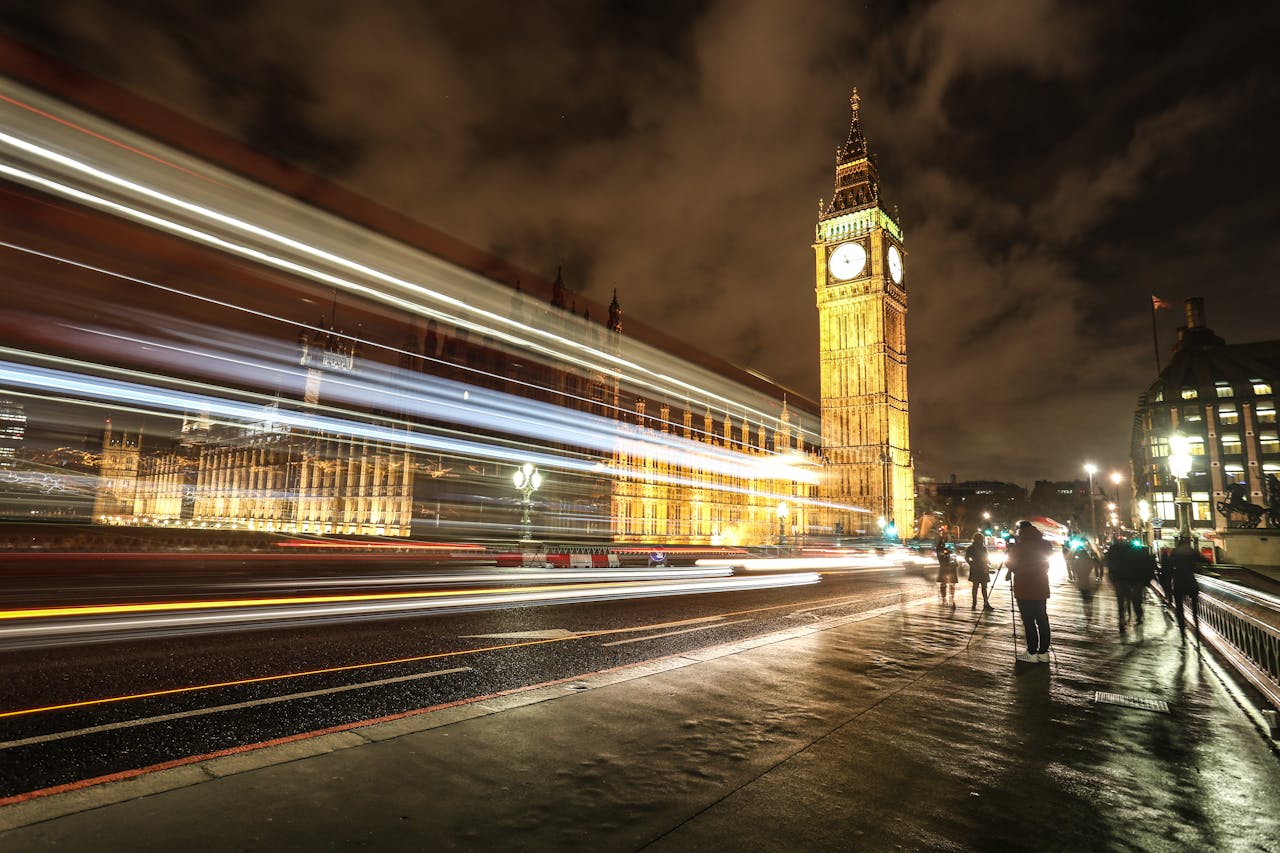


Great Britain is a land rich in culture, history, and natural beauty. The tourism industry has traditionally been seasonal, with peaks during the summer months when visitors flock to its iconic landmarks and picturesque countryside. However, the question arises: can Great Britain’s tourism industry thrive year-round? To explore this, it is essential to consider various factors such as the diversity of attractions, seasonal events, and the increasing interest in off-peak travel.
One of the primary advantages of Great Britain is its vast array of attractions that cater to different interests. From the historic streets of London and the majestic castles of Scotland to the breathtaking landscapes of the Lake District and the coastal beauty of Cornwall, there is something for everyone. This diversity can encourage tourists to visit throughout the year rather than just during peak seasons.
Moreover, Great Britain boasts a range of cultural festivals, sporting events, and exhibitions throughout the year. These events can draw visitors during the quieter months, providing an opportunity for local businesses to thrive. For instance, the Edinburgh Festival Fringe in August and the Notting Hill Carnival in August are popular, but there are also winter festivals, Christmas markets, and other seasonal events that can attract tourists.
In addition to cultural attractions, outdoor activities such as hiking, cycling, and sports can be enjoyed year-round. The rise of adventure tourism has led to an increased interest in exploring Great Britain’s natural beauty outside the summer months. Visitors are increasingly looking for unique experiences that allow them to engage with the environment, which can help to spread tourist traffic throughout the year.
Challenges Facing Year-Round Tourism
While there is significant potential for year-round tourism in Great Britain, several challenges must be addressed. Firstly, weather conditions can be unpredictable, particularly during the winter months. The damp and cold climate may deter some tourists from visiting, especially those who prefer warmer destinations. To counteract this, tourism operators can promote indoor attractions and activities, such as museums, galleries, and theaters, which can provide enjoyable experiences regardless of the weather.
Another challenge is the perception of Great Britain as a summer destination. Many travelers still associate the country with sunny vacations and outdoor activities. To change this perception, marketing campaigns should highlight the unique aspects of visiting during other seasons. For instance, the beauty of autumn leaves, the charm of winter festivities, and the vibrant spring blooms can be emphasized to attract different segments of tourists.
Furthermore, the tourism infrastructure must adapt to support year-round visitors better. This includes ensuring that accommodations, restaurants, and attractions remain open and staffed during off-peak seasons. The government and local authorities can play a vital role by providing incentives for businesses to operate year-round and invest in marketing campaigns that promote off-peak travel.
Strategies for Sustaining Year-Round Tourism
To ensure that Great Britain’s tourism industry can thrive year-round, a multifaceted approach is necessary. First, diversifying tourism offerings is crucial. This means not only promoting traditional attractions but also focusing on niche markets such as eco-tourism, wellness retreats, and food tourism. By catering to various interests, Great Britain can attract a broader audience throughout the year.
Additionally, enhancing the digital presence of tourism businesses can significantly impact attracting visitors. A well-optimized website and active social media presence can help engage potential travelers. Content marketing strategies, such as blogs and videos showcasing off-peak experiences, can effectively reach and influence audiences.
Moreover, collaborating with local businesses, community organizations, and tourism boards can create a unified approach to promoting year-round tourism. By working together, stakeholders can develop packages and experiences that encourage longer stays. For instance, combining accommodation with local tours or dining experiences can provide tourists with a more immersive experience.
Events and Festivals as a Catalyst for Year-Round Tourism
Hosting events and festivals throughout the year can significantly boost Great Britain’s tourism industry. These occasions not only attract visitors but also create a lively atmosphere that enhances the local culture. Here are some key benefits of focusing on events and festivals:
-
Increased Visitor Numbers: Well-promoted events can draw large crowds, leading to higher occupancy rates in hotels and increased revenue for local businesses.
-
Seasonal Attractions: Festivals can highlight seasonal attractions, encouraging visitors to experience the unique offerings of each time of year.
-
Community Engagement: Events foster community spirit and pride, making the destination more appealing to tourists seeking authentic experiences.
-
International Appeal: Unique events can attract international visitors, enhancing Great Britain’s reputation as a diverse and exciting destination.
Examples of successful events include the Chelsea Flower Show in May, which showcases stunning floral displays and gardening innovations, and the Winter Wonderland in Hyde Park, bringing festive cheer during the holiday season. By promoting such events, Great Britain can encourage visitors year-round.
Conclusion: A Bright Future for Year-Round Tourism
In conclusion, while challenges exist, the potential for Great Britain’s tourism industry to thrive year-round is promising. With its rich cultural heritage, diverse attractions, and growing interest in off-peak travel, there is a solid foundation to build upon. By addressing challenges, implementing effective strategies, and promoting unique experiences, Great Britain can transform its seasonal tourism model into one that welcomes visitors throughout the year.
Continued investment in infrastructure, marketing, and community engagement will be essential. The government, businesses, and local communities must collaborate to create an environment conducive to year-round tourism. This can lead to a more sustainable tourism industry, benefiting the economy and enhancing the experiences of all visitors.
As Great Britain embraces this challenge, it must also look towards the future, adapting to changing traveler preferences and ensuring that it remains a top destination for tourists all year long